Parents often examine every detail of their newborn’s appearance, especially their tiny hands and feet. Sometimes, a baby’s feet may look slightly curved, turned inward, or shaped differently than expected. While this can feel concerning at first, many foot alignment variations in babies are common and often improve naturally as the child grows.
Understanding how to recognize early signs of foot deformities can help parents respond calmly and seek guidance if necessary. Early observation is important because certain conditions are easier to monitor or correct before a child begins standing or walking.
Why Foot Alignment in Babies Matters
A baby’s bones and joints are still developing during the first months of life. Because of this, the feet may appear flexible and sometimes slightly curved. In many cases, these positions are simply the result of the baby’s position in the womb and gradually improve with natural movement.
However, some foot conditions require monitoring to ensure proper development. Pediatric foot deformities can affect how the toes, arches, or forefoot align and may influence walking patterns later in childhood.
Early recognition helps pediatricians determine whether the condition will resolve naturally or benefit from gentle treatment.
Common Foot Deformities in Infants
Several foot alignment conditions may appear during infancy. Most are mild and manageable, but understanding them helps parents know what to watch for.
Metatarsus Adductus
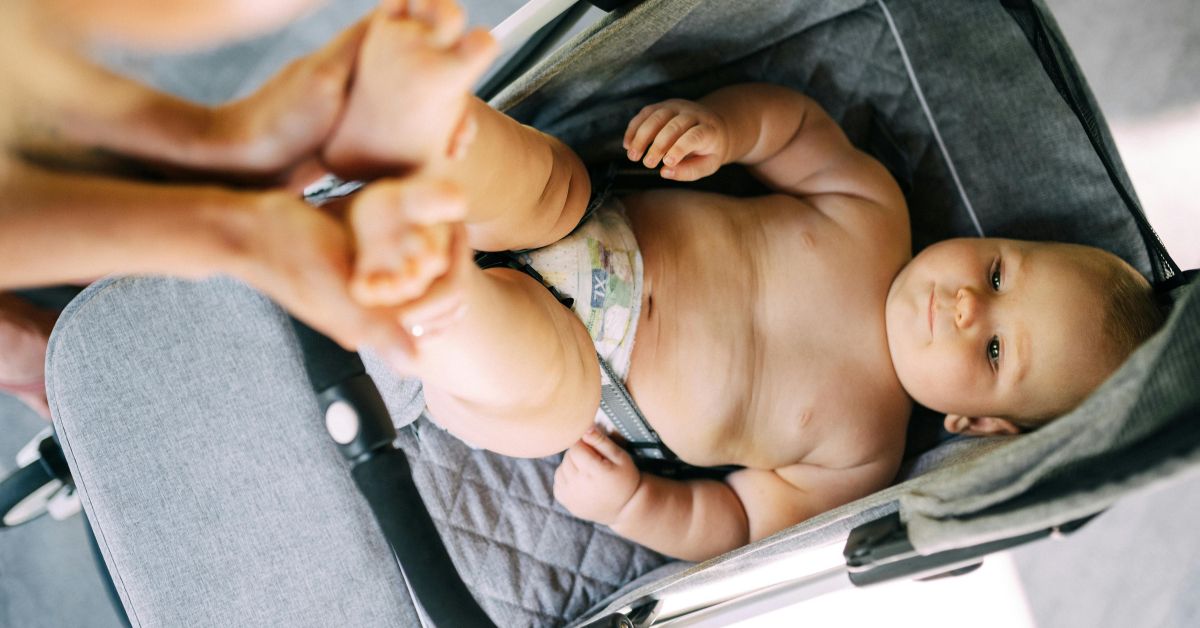
Metatarsus adductus is one of the most common foot deformities in babies. It occurs when the front portion of the foot curves inward while the heel remains in a normal position.
The condition may create a “C-shaped” appearance when viewing the foot from above. In many cases, the foot remains flexible and can be gently straightened.
Clubfoot
Clubfoot is a more noticeable condition in which the foot turns downward and inward. Unlike milder alignment variations, clubfoot typically requires medical treatment to correct the position of the bones and tendons.
Forefoot Adduction
Forefoot adduction occurs when the front part of the foot angles inward toward the midline of the body. This condition is often linked to how the baby was positioned in the womb and may also be associated with factors such as breech positioning or low amniotic fluid during pregnancy.
Parents who want to learn more about treatment options for this condition can explore forefoot adduction treatment and how early care may support proper foot development.
Early Signs Parents Should Watch For
Some foot alignment differences can be identified shortly after birth. While these signs are not always serious, they may indicate that the baby’s feet should be monitored during growth.
Common signs include:
- The front part of the foot curves inward
- Toes point toward the midline of the body
- One or both feet appear “C-shaped”
- The outer edge of the foot looks rounded
- Feet appear turned inward while the baby kicks
Doctors usually determine severity by examining whether the foot can be gently moved into a straight position.
Causes of Foot Deformities in Babies
Foot alignment conditions in infants are often linked to natural developmental factors.
Position in the Womb
Many foot deformities occur because the baby’s feet were pressed inward in the limited space of the uterus. Compression during fetal development can temporarily affect the shape of the forefoot.
Genetic Factors
Some foot alignment variations may run in families. Although not always inherited, family history can increase the likelihood of certain conditions.
Limited Movement Before Birth
If a baby had restricted movement during pregnancy, the bones and soft tissues may adapt to that position. After birth, natural movement often helps improve alignment.
How Doctors Diagnose Infant Foot Conditions
Pediatricians typically diagnose foot deformities during routine newborn checkups. Doctors examine the baby’s feet and gently test their flexibility.
One of the most important factors is whether the foot can be moved into a straight position manually. Flexible deformities usually improve naturally, while rigid ones may require treatment.
In most cases, imaging tests are not necessary unless the foot appears stiff or the condition is severe.
Treatment Options for Foot Deformities
Treatment depends on the type and severity of the condition.
Observation
Many babies with flexible foot deformities simply grow out of the condition without treatment. Doctors often monitor the baby’s development during regular checkups.
Stretching Exercises
In some cases, parents may be taught gentle stretching techniques to help guide the foot into a straighter position.
Orthotic Devices or Casting
If the foot is rigid or does not improve naturally, doctors may recommend corrective devices or casting to gradually reposition the bones and soft tissues.
Surgery is rarely necessary and is typically reserved for severe cases that do not respond to other treatments.
Supporting Healthy Foot Development at Home
Parents can encourage healthy foot development through simple daily activities.
Helpful practices include:
- Allowing babies to move their legs freely
- Providing regular tummy time
- Avoiding tight or rigid footwear
- Monitoring foot alignment as the baby grows
Natural movement helps strengthen muscles and supports proper joint alignment during early development.
When Parents Should Seek Medical Advice
Although many infant foot conditions are harmless, parents should consult a pediatrician if:
- The foot cannot be gently straightened
- The curve appears severe or rigid
- One foot is significantly different from the other
- The condition worsens as the baby grows
Early evaluation allows doctors to determine whether treatment is necessary.
Conclusion
Recognizing foot deformities in babies can feel overwhelming for parents, but many conditions are mild and improve naturally over time. Early awareness and regular pediatric checkups play an important role in monitoring healthy development.
By understanding the signs, causes, and possible treatments of infant foot alignment conditions, parents can feel more confident supporting their child’s growth and ensuring proper foot development during the early stages of life.