When parents notice their baby’s feet turning inward, it is natural to wonder whether something is wrong. This inward foot position is often described as pigeon-toed feet or intoeing. In many babies and young children, it is common and may improve naturally with growth. However, one important detail can change the entire treatment approach: whether the feet are flexible or rigid.
Understanding this difference helps parents know when simple observation may be enough and when professional treatment may be needed. Not all pigeon-toed feet are the same, and the type of foot flexibility often guides the next step.
What Does Pigeon-Toed Mean?
Pigeon-toed feet happen when a child’s feet point inward instead of straight ahead. This may affect one foot or both feet and can become noticeable while the baby is lying down, crawling, standing, or starting to walk.
In babies, pigeon-toed positioning is often related to how the foot or leg developed before birth. The baby’s position in the womb may cause the forefoot to curve inward, especially when space is limited during pregnancy.
Parents who want a deeper explanation of the difference between flexible and rigid foot positioning can visit unfo-med.com for more information about how these conditions are evaluated.
Why Flexibility Matters
The flexibility of the foot tells doctors how easily the foot can be moved into a better position. This is one of the most important factors in deciding whether a child needs treatment.
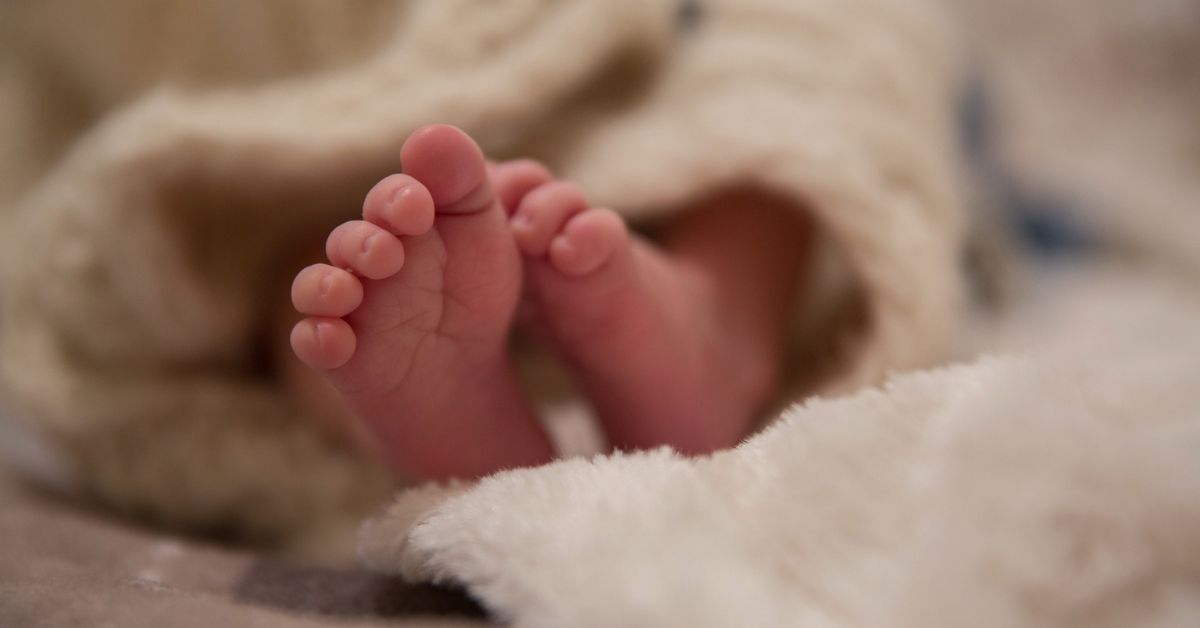
A flexible foot may be gently guided into a straighter position by hand. A rigid foot resists movement and may stay curved even when gentle pressure is applied.
This matters because flexible feet often have a better chance of improving naturally, while rigid feet may need more active correction.
What Are Flexible Pigeon-Toed Feet?
Flexible pigeon-toed feet can usually be moved into a more normal position without force. The curve may be visible when the baby is relaxed, but the foot still has good movement.
Common signs of flexible pigeon-toed feet include:
- The foot can be gently straightened
- The baby does not seem uncomfortable when the foot is moved
- The curve is mild or moderate
- The foot position may improve during growth
- Both feet may move freely during kicking or play
Flexible cases are often less concerning, especially when the baby is very young. A doctor may recommend observation, gentle stretching, or follow-up visits to monitor progress.
What Are Rigid Pigeon-Toed Feet?
Rigid pigeon-toed feet are harder to move into a straight position. The inward curve may appear stronger, and the foot may resist correction.
Signs of rigid pigeon-toed feet may include:
- The foot cannot be gently straightened
- The curve remains fixed even during movement
- A deep crease appears along the inner foot
- One foot looks much more affected than the other
- The baby seems uncomfortable when the foot is moved
Rigid feet usually need closer medical evaluation. In some cases, doctors may recommend bracing, orthotic treatment, or casting to guide the foot into better alignment.
Flexible vs. Rigid: The Key Differences
The main difference is how the foot responds to gentle movement.
Flexible feet are usually more adaptable. They may improve over time as the baby grows, kicks, crawls, and begins walking.
Rigid feet are less adaptable. They may remain curved and may require treatment to prevent the position from becoming more difficult to correct later.
A simple comparison:
- Flexible: moves easily, may improve naturally
- Rigid: resists movement, may need treatment
- Flexible: often monitored first
- Rigid: usually needs closer evaluation
- Flexible: less likely to affect early movement
- Rigid: may affect foot placement and walking development
Parents should not try to diagnose this on their own. A healthcare provider can safely check foot flexibility during an examination.
Why “Wait and See” Is Not Always Enough
For mild and flexible pigeon-toed feet, watching the condition over time may be reasonable. Many babies improve naturally as their bodies develop.
However, “wait and see” may not be enough if the foot is rigid, severe, or not improving.
Parents should seek medical advice if:
- The foot cannot be gently straightened
- The curve appears to worsen
- One foot looks very different from the other
- The baby shows signs of discomfort
- The condition remains noticeable after several months
- Walking appears affected later on
Early assessment helps determine whether treatment is needed while the baby’s bones and soft tissues are still adaptable.
Possible Treatment Options
Treatment depends on the cause, severity, and flexibility of the foot. A doctor may recommend different options based on the baby’s age and condition.
Common options include:
Observation
Mild and flexible cases may only need monitoring during routine checkups. The doctor may watch for natural improvement over time.
Gentle Stretching
Some babies may benefit from gentle stretching exercises. These should only be done if recommended by a healthcare provider.
Corrective Bracing
A brace may be used to guide the foot into better alignment while still allowing some natural movement. This may be considered when the foot needs more support than stretching alone.
Serial Casting
Rigid or more severe cases may require serial casting. This involves using a series of casts to gradually correct the foot position.
Surgery
Surgery is rare and is usually considered only for severe cases that do not improve with other treatment methods.
Why Early Evaluation Helps
The first months of life are an important window for evaluating foot alignment. Babies’ bones, joints, and soft tissues are still developing, which may make correction easier if treatment is needed.
Early evaluation helps answer important questions:
- Is the foot flexible or rigid?
- Is the condition mild, moderate, or severe?
- Is the foot improving naturally?
- Could bracing or casting help?
- How often should follow-up be scheduled?
The earlier parents understand the type of condition, the easier it is to choose the right care plan.
What Parents Should Avoid
Parents naturally want to help, but some actions may cause problems.
Avoid:
- Forcing the foot into position
- Buying corrective shoes without medical advice
- Ignoring a rigid or worsening curve
- Comparing your baby’s feet too closely with another child’s
- Skipping follow-up appointments
A baby’s foot should be guided carefully, not forced. Treatment should match the condition, not guesswork.
Questions to Ask the Doctor
During an appointment, parents can ask:
- Is my baby’s foot flexible or rigid?
- What is causing the inward position?
- Is treatment needed now?
- Should we monitor, stretch, brace, or cast?
- How long should improvement take?
- What signs should I watch for at home?
- When should we come back for follow-up?
Clear answers can help parents feel more confident and reduce unnecessary worry.
Final Thoughts
The difference between flexible and rigid pigeon-toed feet changes everything. Flexible feet may improve naturally and only need monitoring, while rigid feet may require earlier treatment and closer follow-up.
Parents do not need to panic when they notice inward foot positioning, but they should pay attention to how the foot moves and whether the condition improves. With proper evaluation and the right guidance, many babies can develop healthier foot alignment as they grow.