During the first months of life, a baby’s body goes through rapid growth and development. Bones, joints, and connective tissues are still very soft and flexible, which makes this period extremely important for identifying and addressing certain orthopedic conditions. One of these conditions is metatarsus varus, a foot alignment issue that can affect how a child eventually stands and walks.
Early observation and guidance can help parents support healthy foot development. Recognizing the signs of inward foot alignment early allows pediatric specialists to recommend gentle correction methods before the baby begins standing or walking.
Understanding Metatarsus Varus in Infants
Metatarsus varus is a condition in which the metatarsal bones in the middle of the foot turn toward the center of the body. This causes the front portion of the foot to curve inward while the heel remains in a relatively normal position.
This inward curve often gives the foot a slightly “C-shaped” appearance when viewed from above. The condition is typically present at birth and is one of the more common foot alignment variations seen in infants.
In many babies the foot remains flexible and can be gently moved into a straighter position, which often indicates that the condition may improve naturally over time.
Parents who want to understand the condition in greater detail can explore metatarsus varus in babies and how early monitoring can support proper foot alignment.
Why the First Months Matter Most
The early months of infancy are often considered the most responsive period for correcting foot alignment issues. During this stage, cartilage and soft tissues are still highly adaptable.
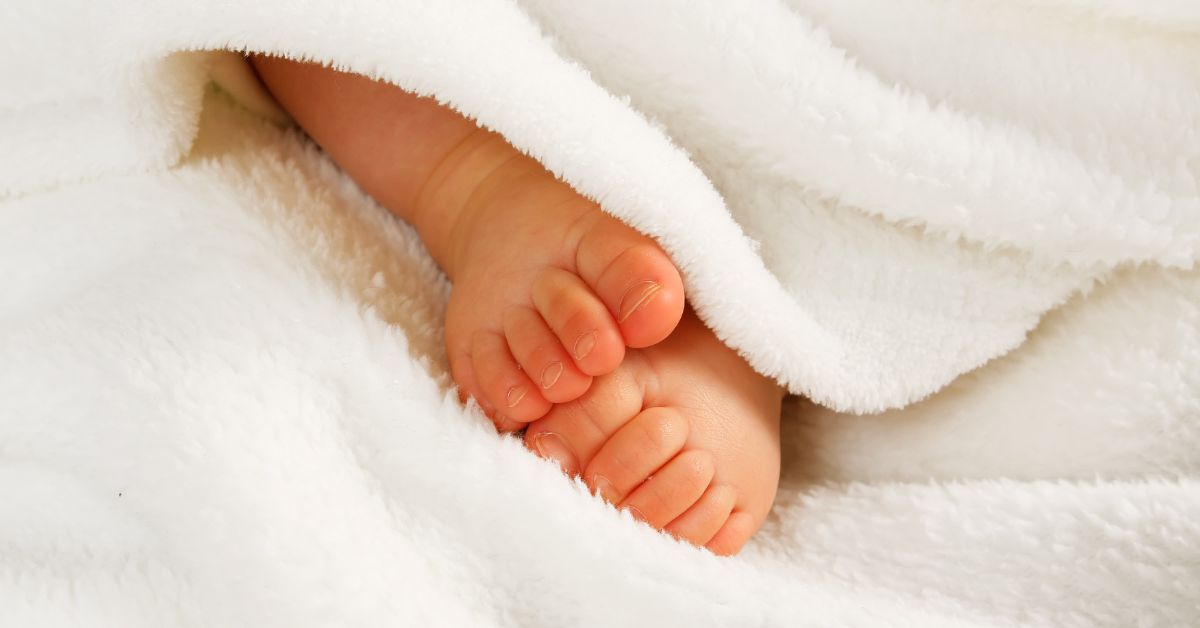
Research in pediatric orthopedics shows that treatment for metatarsus adductus and related conditions tends to be more successful when started during the first months of life, often before nine months of age.
Because the bones are still developing, gentle adjustments or supportive devices can guide the foot into a more natural position more easily than later in childhood.
Early treatment may also reduce the likelihood of rigid deformities that could require more intensive intervention.
Causes of Metatarsus Varus
Several factors may contribute to this foot alignment condition.
Position in the Womb
One of the most common explanations is intrauterine positioning. When a baby’s feet are pressed inward in the limited space of the uterus, the forefoot may develop a curved alignment.
Natural Bone Development
Some infants are born with a slight inward curvature of the metatarsal bones. This alignment may gradually correct itself as the baby grows and begins moving their legs and feet more actively.
Limited Movement Before Birth
Reduced movement during late pregnancy may also influence how the bones and soft tissues develop.
In many cases, these factors are temporary and improve as the baby’s muscles strengthen.
Early Signs Parents May Notice
Parents may begin noticing signs of metatarsus varus shortly after birth.
Common signs include:
- The front portion of the foot curves inward
- Toes point toward the midline of the body
- The outer edge of the foot appears rounded
- One or both feet appear slightly curved from above
Doctors often determine severity by checking whether the foot can be gently straightened by hand.
Flexible cases are usually easier to correct than rigid ones.
Early Correction Techniques
When detected early, doctors often recommend simple approaches that support gradual correction.
Gentle Stretching
Parents may be taught how to gently guide the forefoot outward while stabilizing the heel. These stretches are often done during diaper changes.
Encouraging Natural Movement
Babies benefit from plenty of kicking and leg movement. These motions strengthen muscles and allow the joints to gradually move toward better alignment.
Monitoring Development
Regular pediatric checkups allow doctors to track the baby’s foot development and determine whether further treatment is necessary.
When Medical Treatment Is Needed
Although many cases improve naturally, some babies may require medical intervention.
Treatment may be recommended if:
- The foot cannot be straightened manually
- The curve appears rigid
- The condition does not improve with growth
Possible treatments may include stretching programs, orthotic braces, or serial casting depending on the severity.
Fortunately, surgery is rarely required.
Long-Term Outlook
The outlook for babies with metatarsus varus is generally very positive. Many infants experience gradual improvement during the first year of life as their bones grow and their muscles strengthen.
Even when treatment is needed, early intervention usually produces excellent outcomes with minimal complications.
Because the early months are such a responsive stage of development, monitoring foot alignment during this time can play a key role in ensuring healthy movement later in childhood.
Conclusion
The first few months of life represent a critical window for identifying and correcting foot alignment conditions such as metatarsus varus. During this stage, the flexibility of a baby’s bones and connective tissues makes gentle correction methods especially effective.
By recognizing early signs, understanding possible causes, and seeking guidance from pediatric specialists when necessary, parents can support healthy foot development and help their child grow with proper alignment and mobility.