Spotting a baby’s foot turning inward can spark many questions, and that makes total sense. Most of the time it’s a normal phase of growth, but knowing what’s typical and what needs a closer look brings real peace of mind. This friendly guide breaks down the common causes, what to watch for, and how modern care keeps things simple. It serves as a map that turns worry into clear next steps and calm confidence.
In-Toeing Treatment for Babies: What It Looks Like and Why It Happens
In-toeing means the toes point inward while a little one lies, crawls, stands, or walks, and it can show up differently across ages. In newborns and young infants, the inward curve often comes from the foot itself, especially if it molded a bit snugly in the womb. As toddlers take wobbly steps, the inward angle can come from the shin bone, and later in childhood it sometimes traces back to the thigh bone. Each version has its own timeline, and most gradually untwist as bones grow and muscles strengthen.
Three main patterns appear again and again: foot-based in-toeing (often called metatarsus adductus), shin-based in-toeing (internal tibial torsion), and thigh-based in-toeing (increased femoral anteversion). These are big names for simple ideas: where the inward turn starts and how it tends to improve with time. The key thing to remember is that bones are not set in stone during childhood; they remodel with growth. That natural remodeling is why patience and watchful waiting solve the majority of cases.
Parents might notice the inside edges of shoes wearing faster, or a toddler’s feet brushing together during quick turns. Some children trip more when they first get moving, then settle as balance and coordination catch up. If the foot is flexible and moves easily into a straight position by hand, that’s usually a good sign. Stiffness, pain, or a big difference from side to side deserves extra attention from a clinician.
When to Watch and When to Act on In-Toeing
It helps to know what “normal” progress looks like, so small delays or detours don’t feel alarming. In the first year, gentle curves often relax on their own as babies kick, roll, and cruise along furniture. Between ages two and four, shin-based in-toeing commonly peaks and then fades as legs lengthen. Most children naturally outgrow in-toeing without special shoes or restrictive gear.
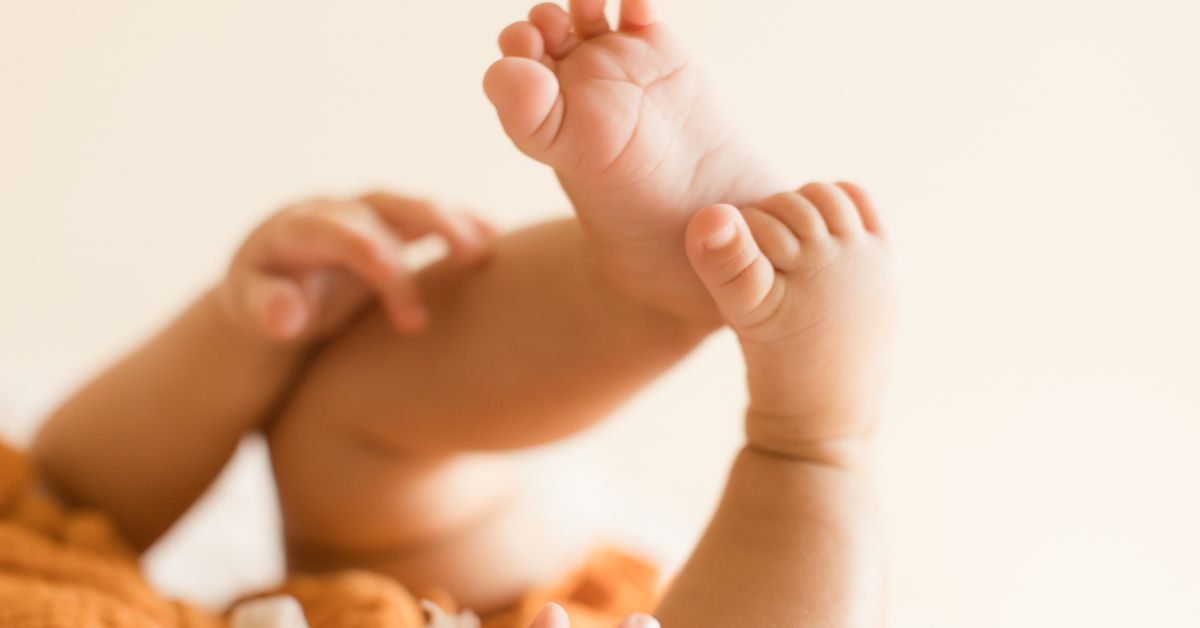
That said, some signs say, “Let’s get a professional opinion.” True rigidity that won’t budge with gentle movement, persistent tripping beyond the toddler phase, or any pain can be important clues. A clear asymmetry, like one foot turning in much more than the other, also raises the flag for a checkup. Quick assessments offer clarity, and early tweaks can smooth the road ahead.
Evaluations are usually straightforward: a history, a hands-on look at flexibility, and simple measurements to pinpoint whether the foot, shin, or thigh is the main source. No fancy imaging is needed in most routine cases, especially when growth patterns line up with what the exam shows. If something unexpected turns up, a specialist can tailor the next step. Clear information often replaces worry with a practical plan.
Here are clear signs it’s time to book a checkup:
- In-toeing that isn’t improving over several months, or seems to be getting worse after age three to four.
- A rigid foot that cannot be gently straightened by hand, especially if it looks curved even when relaxed.
- Noticeable right-left difference, frequent tripping beyond the toddler stage, or limping during play.
- Pain, skin rubbing, or nails and toes that routinely scrape each other or the ground.
- Any new weakness, clumsiness that escalates, or concerns raised by a pediatrician or therapist.
How In-Toeing Is Treated Today: Gentle, Proven Steps
Modern care leans on simple, low-stress steps first, because nature handles so much of the heavy lifting. For flexible feet in infants, playful stretching, tummy time, and lots of kicking often do the trick. For toddlers with shin-based in-toeing, time and coordination are the main “treatments,” with a watchful eye to keep tabs on progress. Special shoes are rarely needed, and many once-popular gadgets are now considered outdated for routine cases.
When a foot curve is stiff or clearly not improving, short casting series or a well-fitted brace may be considered to gently guide alignment. Thoughtful devices used at the right age can nudge a stubborn foot toward a straighter path while growth is on their side. Families comparing options may find it helpful to read about approaches designed specifically for little ones, such as in toeing treatment for babies. This method blends gentle correction with comfort. The goal is smart guidance, not over-correction.
Surgery is uncommon and typically reserved for older children with severe, persistent rotation that truly limits activity. Even then, decisions weigh function, not just looks, and involve careful measurement and shared goals. Most kids never go near an operating room for in-toeing. Patience plus targeted support is the usual winning combo.
In-Toeing Timelines and Milestones Parents Can Expect
Each cause of in-toeing follows a fairly friendly timeline, which helps caregivers know what to expect and when. Early foot curves tend to relax in the first year, shin rotation often peaks around preschool, and thigh rotation evens out later in childhood. Here is a quick snapshot of typical ages, what families notice, and common next steps.
Table: Typical Timelines and Care for In-Toeing in Babies and Children
| Age Range | Common Cause | What Parents See | Typical Course | Usual Care |
|---|---|---|---|---|
| Newborn-12 months | Metatarsus adductus (foot-based, often flexible) | Curved forefoot; toes point inward when resting | Often improves by 6-12 months with growth and movement | Playful stretching, tummy time; casting for rare rigid cases |
| 6 months-4 years | Internal tibial torsion (shin-based) | Feet turn in when walking; more noticeable during quick steps | Commonly peaks around ages 2-3, then fades by 4-5 | Observation, coordination play; no special shoes typically needed |
| 4-8 years | Femoral anteversion (thigh-based) | Knees and toes angle inward; often runs in families | Gradual improvement by 8-10 years as hips mature | Activity and time; bracing or surgery is rarely required |
| Any age (red flags) | Rigid foot, pain, large asymmetry | Stiffness, limping, frequent falls beyond toddler phase | Needs timely assessment to rule out other issues | Targeted therapy, bracing, or further workup as advised |
In short, most babies and kids improve on a gentle, predictable curve, with time doing most of the work and simple guidance filling the rest. The table summarizes patterns, but each child’s path is personal, and regular well-child visits keep things on track. If progress stalls or a red flag appears, a focused check-in helps recalibrate the plan.
A helpful mindset is to “track, don’t rush.” Photos, brief notes, or even a favorite pair of shoes can show changes over months without overanalyzing every step. Celebrating balance wins-standing from the floor, faster climbs, smoother turns-reflects the body’s quiet remodeling. Small milestones add up to lasting alignment.
Everyday Tips That Make a Difference for In-Toeing
Babies learn alignment through movement, not just equipment, so play really counts here. Floor time that invites rolling, kicking, and pivoting feeds the nervous system plenty of helpful feedback. Safe barefoot time strengthens tiny foot muscles and improves grip and balance on varied textures. Open spaces, soft challenges, and playful repetition go a long way.
For flexible foot curves, gentle stretching during daily routines-like diaper changes or bedtime snuggles-keeps things relaxed and friendly. The idea is to guide, not force: slow, comfortable ranges help tissues remember straighter positions. If anything feels stiff or uncomfortable, that’s a cue to ease up and ask a clinician to demonstrate technique. Comfort is the compass for home stretches.
Positioning habits also shape progress. Rotating carry positions, avoiding long stints in containers, and minimizing W-sitting all nudge alignment in a good direction. Little swaps-like side-sitting or cross-legged play-diversify hip movement nicely. Consistency beats intensity when it comes to daily habits.
Here are easy, baby-safe habits:
- Plenty of tummy time and side-lying play built into the day.
- Encouraging barefoot time on safe, varied surfaces for sensory feedback.
- Using gentle, comfortable foot stretches during calm moments.
- Rotating how the baby is carried or worn to balance hip positions.
- Swapping W-sitting for side-sitting or crisscross sitting during floor play.
- Keeping walkers and jumpers short and optional; floor exploration remains gold.
Shoes, Braces, and Myths: What Really Helps
Old-school wisdom often pointed straight to stiff shoes or bulky braces, but research has reshaped that playbook. For typical, flexible in-toeing, firm shoes don’t speed improvement and can limit the foot’s natural learning. Lightweight, flexible shoes-or simply socks or bare feet indoors-let muscles and balance do their job. Function first, fashion second, and rigidity rarely makes the cut.
When a brace or casting plan is chosen, timing and fit matter more than the brand name. The device should align with the child’s age, the specific cause, and day-to-day comfort, blending into routines instead of battling them. Families can ask how progress will be measured-photos, gait notes, or follow-up timelines-so success feels visible. Good treatment is a collaboration, not just equipment.
Myths linger, like the idea that in-toeing always causes lifelong sports problems or that special shoes are mandatory. In reality, many high-performing athletes had childhood in-toeing and moved just fine; coordination, not perfect angles, wins games. If treatment is needed, it’s typically brief and targeted, not endless or invasive. The modern message: gentle guidance, lots of play, and patience pay off.
Wrapping Up: In-Toeing Treatment for Babies, Made Simple
Here’s the big picture: most in-toeing in babies and young children follows a friendly arc toward improvement, powered by growth and movement. A few smart habits-safe barefoot time, playful stretching, varied sitting-help the body do what it’s already trying to do. When extra help is needed, today’s options are gentler and more precise than ever. Calm, consistent support outperforms quick fixes every time.
For those tracking progress, thinking in seasons, not days, tends to work best: noting comfort, coordination, and confidence during play rather than hyper-focusing on foot angles. If red flags pop up-rigidity, pain, clear asymmetry-a prompt check-in brings clarity and an updated plan. Over months, the small wins stack up, and the inward turn typically fades into the background. Patience, play, and periodic guidance form a reliable trio.
Whether the journey is pure watch-and-wait or includes a brief brace or casting phase, the destination is the same: comfortable, capable movement. Families can revisit the idea of in toeing treatment for babies as needed, but most will find that growth and gentle nudges lead the way. With thoughtful steps and realistic timelines, little feet find their path forward. And that path is almost always straighter than it first appears.