Seeing tiny toes turn inward can spark a hundred questions at once, especially when those first wobbly steps are on the horizon. The good news is that most intoeing in babies is common, harmless, and part of normal development as bones, joints, and muscles learn to work as a team. With a few smart habits and a bit of patience, the vast majority of cases improve naturally over time. This guide keeps it light, practical, and reassuring while still giving families the details they crave.
Pigeon‑toed in infants: what it really means
“Pigeon‑toed” is the everyday way to describe intoeing, when a child’s feet point inward instead of straight ahead. In babies and toddlers, this often shows up as toes turning in during crawling or the first months of walking, and it can look more noticeable when little legs are chubby and steps are still unsteady. Most of the time, it reflects normal developmental alignment that gradually moves toward neutral as growth kicks in. Parents tend to spot it in photos or short videos when a child is on the move, which is a great moment to share with a clinician if questions pop up.
There are three common places where inward rotation can start: the foot (metatarsus adductus), the shin bone (internal tibial torsion), or the thigh bone (femoral anteversion). Each has a typical age window, which helps explain why one toddler’s toes look turned in at 18 months while a kindergartner’s knees and feet still point inward. The key point is simple: most intoeing is painless, flexible, and resolves naturally as coordination and strength improve. Kids often keep up with peers just fine and can run, climb, and play without limits.
Because growth is the best treatment in many cases, a calm “let’s keep an eye on it” approach is often the starting line. Everyday routines like floor play and tummy time support hip and core strength, which can subtly polish walking mechanics. Families also learn quick posture cues-such as avoiding habitual “W‑sitting”-that encourage healthier alignment over time. Small daily choices add up, while time does much of the heavy lifting.
Common causes-from tiny toes to twirling thighs
When inward turning starts at the foot, it is often metatarsus adductus, where the front of the foot curves inward a bit like a crescent. Many newborns have flexible versions thanks to positioning in the womb, and those usually relax with growth, gentle stretching, and plenty of barefoot kicking. Shoes rarely change flexible metatarsus adductus; in fact, open, sock‑only play encourages natural movement. Most flexible cases improve markedly by the first or second birthday.
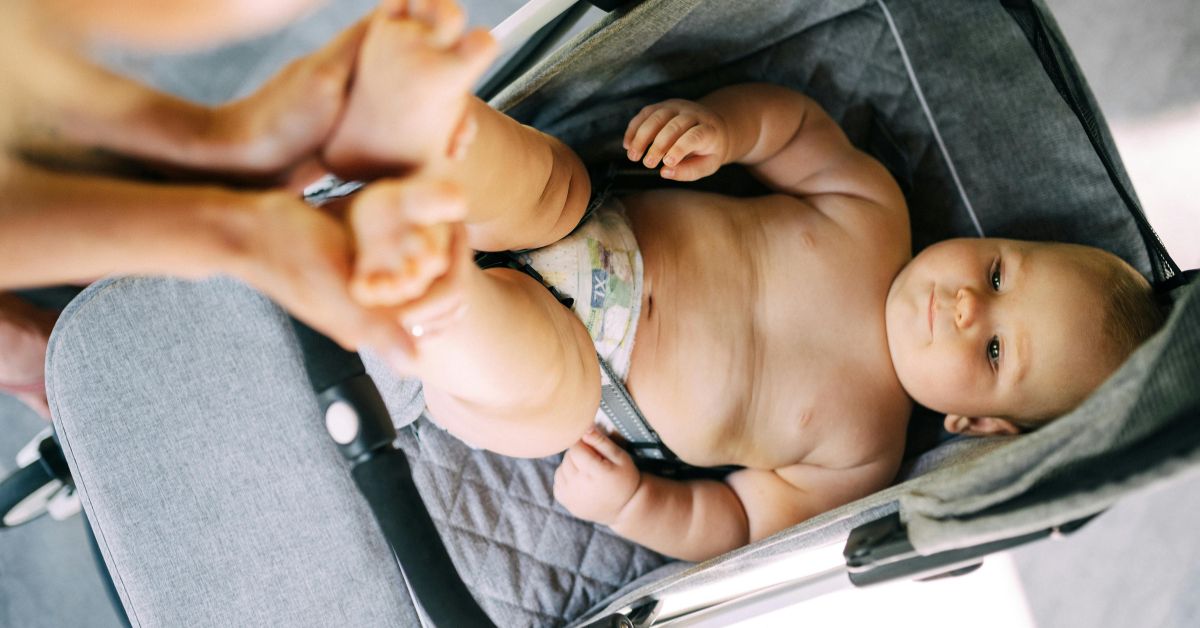
If the turning seems to originate at the shin, clinicians call it internal tibial torsion. It tends to show up as little legs bow slightly and feet point inward right around the time cruising turns into independent steps. Because shin bones slowly “untwist” as kids get taller, this pattern has a strong track record of self‑correction through early childhood. Day-to-day, the child typically walks, runs, and plays without pain, even if the inward angle makes relatives raise an eyebrow.
When the source is higher up at the thigh, it is often femoral anteversion, which becomes more visible in preschool and early school years. Knees and feet may both point inward, and kids may prefer to sit in a “W” because it feels natural to their hips. This can look dramatic yet still be normal, trending toward improvement as bone geometry matures. Sports, dance, and active play are still fair game, especially when caregivers cheer on balanced sitting and varied movement.
Spotting the difference at home (without panicking)
Caregivers can learn a lot from simple, low‑stress observations during playtime. Watching whether the inward turn seems to begin at the toes, the shin, or the thigh helps map the likely cause. A quick flexibility check-gently guiding the forefoot toward straight-can hint whether a curved foot is stiff or pliable. Video clips of everyday walking are gold for tracking changes over months, not just days.
Key signs worth noting before any appointment:
- Where the inward turn appears to start: toes/forefoot, shin, or thigh/hip.
- Whether the foot is flexible when gently straightened during diaper changes or after bath time.
- Any tripping pattern, shoe scuffing on inner edges, or frequent falls beyond the usual toddler tumbles.
- Presence or absence of pain, limping, or night waking related to legs or feet.
- Visible asymmetry between the two legs or a sudden, recent change.
Most home observations simply confirm a familiar, self‑resolving story, which keeps stress levels down. Still, certain clues deserve a clinician’s look: rigid foot curves, one‑sided differences, pain, or regression in skills. Bringing notes and a short walking video to a visit makes the checkup faster and clearer. Clear patterns guide clear decisions, and that starts with calm, curious noticing.
When to get a pro involved and what to expect
Parents usually bring questions to a pediatrician or pediatric orthopedist if the curve seems stiff, the intoeing is clearly one‑sided, or a child is in pain or falling far more than peers. The evaluation is hands‑on and gentle: range‑of‑motion checks at the hips, shins, and feet, plus a look at the gait from several angles. Imaging is rarely needed for typical, flexible intoeing, especially in toddlers and preschoolers. Often, reassurance and a timeline for re‑checks are all that’s required.
For families who like to read ahead, this plain‑English explainer on pigeon toed in infant lays out how clinicians think about causes, timelines, and first steps. Having a shared vocabulary makes conversations in the clinic smoother and less stressful. It also demystifies terms like “torsion” and “anteversion,” which sound technical but simply describe where the inward angle begins. Understanding the map makes the journey feel shorter.
After the visit, most care plans focus on time, play‑based strengthening, and posture habits rather than braces or special shoes. Casting or orthotics are reserved for specific, less common cases, such as a rigid metatarsus adductus that doesn’t budge with stretching. Follow‑ups typically check progress every few months to a year, depending on age and findings. Small changes over long stretches are the norm-and that’s a good sign.
Gentle treatments that actually help
Daily routines are surprisingly powerful. Tummy time builds shoulder and core strength, which helps hips and knees track better when standing begins. Barefoot play on safe surfaces lets toes spread and grip, strengthening foot arches and improving balance reactions. Shoes still matter for protection, but light, flexible soles beat stiff, corrective styles for most kids.
Pro Tip
Simple, consistent habits make the biggest difference:
- Encourage a variety of sitting positions (criss‑cross, long sit) and gently limit habitual “W‑sitting.”
- Sprinkle in balance play-short beam walks on a curb, tiptoes, heel‑to‑toe games.
- Add playful stretches for a curved forefoot during diaper changes or after bath time.
- Pick lightweight shoes that bend at the forefoot; skip rigid “corrective” designs unless prescribed.
- Film a 10‑second walking clip every couple of months to spot slow‑and‑steady improvements.
Complex devices are rarely needed for typical, flexible intoeing, and that’s empowering news for busy families. If casting or bracing is recommended for a rigid curve, it is usually time‑limited and paired with home stretching. Most children can join sports, dance, or playground adventures without restriction, building strength and coordination naturally. Movement is medicine, and play is the best delivery system.
Latest research and quick facts for parents
Recent pediatric and orthopedic sources echo a steady theme: intoeing in early childhood is common, rarely painful, and overwhelmingly self‑correcting. The usual culprits-metatarsus adductus, internal tibial torsion, and femoral anteversion-follow predictable timelines tied to growth. Special shoes and braces have not shown broad benefit for flexible, typical cases, while active play and time do. Families can expect monitoring, posture cues, and lots of reassurance along the way.
To see the differences more clearly, here is a table summarizing the most discussed causes, age windows, and first‑line approaches that clinicians emphasize today.
Table: Intoeing causes, ages, and first‑line care at a glance
| Condition | Typical onset | Estimated share of infant/toddler intoeing | Natural resolution rate | Usual first‑line approach |
|---|---|---|---|---|
| Metatarsus adductus (flexible) | Birth-6 months | 15-30% | ≈85-90% by ages 1-2 | Reassurance, gentle stretching, tummy time |
| Internal tibial torsion | 6-18 months (walking age) | 40-60% | ≈90% by age 8 | Observation; avoid habitual “W‑sitting” |
| Femoral anteversion | 3-6 years | 10-15% | Improves for most by 10-12 years | Watchful waiting; posture and play cues |
| Rigid metatarsus adductus | Birth | Less common | Often needs active treatment | Stretching; short‑term casting if indicated |
From this table, it’s clear that typical intoeing trends toward better with time, movement, and occasional guidance. When symptoms fall outside the usual script-pain, rigidity, asymmetry-clinicians step in with targeted support. The blend of patience and play remains the winning combo for most families. Less panic, more practice, steady progress.
A confident finish: caring for a pigeon‑toed baby
Most families find that once the basics click, the worry dial turns down fast and everyday life feels lighter. A pigeon‑toed baby can crawl, toddle, and grow into a swift, springy kid as bones and muscles catch up with curiosity and play. With a few smart habits, clear check‑ins, and trust in the body’s timeline, the path forward is steady and kind. Little feet grow straight toward big adventures.