Handmade jewelry carries a quiet kind of magic, the sort that comes from small decisions made at a bench and not a conveyor belt. Every curve, clasp, and quirk in the metal has a backstory, and those choices shape comfort, shine, and longevity. Buyers who understand these choices read a piece like a map, spotting clues that separate keepsakes from quick thrills. This guide lifts the curtain on techniques, finishes, and fit, so each selection feels informed, personal, and future-proof.
How Handmade Jewelry Fabrication Really Works
In true bench-made work, metal starts as wire or sheet, and tools do the rest: saws, files, hammers, and torches turn raw stock into shape. The maker anneals to soften, then forms and hardens, cycling heat and motion until the metal remembers its new geometry. Solder seams are placed with intention because heat flows toward mass, and controlling that flow is part science, part choreography. The result is structure with integrity, where stress points are reinforced and not just glued together out of convenience.
Look closely and fabricated pieces reveal micro-signatures: a faint file line under a high polish, a perfectly aligned seam where two planes meet, or a crisp corner that machines tend to round off. Handmade curves feel alive because they’ve been coaxed, not extruded; they breathe with slight variation that adds character without compromising symmetry where it matters. Buyers who notice intentional tool marks understand they are not flaws but fingerprints of the process. Precision here means control, not sterility.
Durability enters the picture through work-hardening, the subtle strengthening that happens when metal is forged and flexed. A ring shank hammered to thickness resists bending, and prongs set after proper annealing and cooling hold stones with confidence. Even clasps benefit: a hand-formed hook with correct spring-back snaps closed with satisfying authority. Longevity is baked in when the metal’s journey is respected at every step.
Casting vs. Forging: Spot the Difference in Jewelry
Casting pours molten metal into a mold, capturing complex shapes and rich volumes with impressive fidelity. Forging forms cold or hot metal through pressure and strikes, densifying its structure for strength and crisp edges. Many artisan pieces blend both: cast elements for detail, forged shanks or hinges for resilience. Neither method is “better” by default; it’s the right technique in the right place that wins.
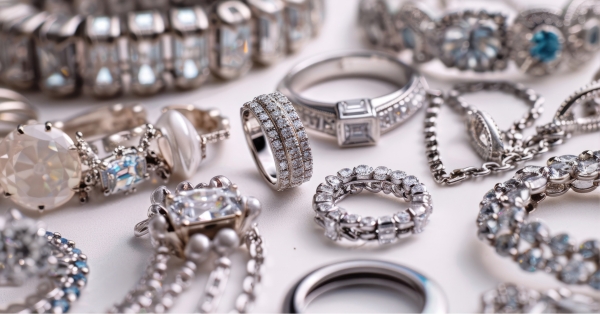
Casting often shows subtle tells like uniform texture inside crevices or sprue-removal points finished flush. Forged areas read sharper and more tensile, with edges that hold a line even after years of wear. Hybrid construction takes advantage of each approach, placing the toughest parts where stress lives and the artful contours where drama belongs. This balance marks thoughtful design more than any single label ever could.
Buyers assessing quality can ask about porosity control in casting and how the maker prevents micro-voids. For forged pieces, questions about annealing cycles and work-hardening signal respect for metallurgy, not just aesthetics. When makers can explain why they chose one path over another, confidence follows. Technique is the skeleton; style is the skin.
Hallmarks, Alloys, and Skin-Friendly Metals: Decode the Stamps That Matter
Before diving into stamps and symbols, it helps to frame what they actually guarantee: metal content, origin, and sometimes the maker’s identity. A hallmark is not a mood—it’s a measurable claim, and reputable studios treat it that way. As a quick summary before the data, remember this: purity, alloy mix, and country standards together decide how a piece behaves on the body and across the years. The details below translate those invisible choices into practical differences buyers can see and feel.
To see the differences more clearly, here is a table showing common precious metals, their typical purity, hallmark standards, and care needs.
Table: Metals, Hallmarks, Purity, and Care at a Glance (2025)
| Metal/Finish | Typical Purity | Common Hallmark | Hypoallergenic | Care Frequency | Notes (2025) |
|---|---|---|---|---|---|
| 14k Gold | 58.5% Au | 585 or 14K | Usually | Polish 6-12 months | Balanced hardness; great for daily wear. |
| 18k Gold | 75% Au | 750 or 18K | Yes | Polish 6-12 months | Richer color; slightly softer than 14K. |
| Sterling Silver | 92.5% Ag | 925 or Sterling | Yes (nickel-free) | Clean 1-2 months | Tarnish is normal; easy to refresh. |
| Platinum | 95% Pt typical | 950 Pt | Yes | Polish yearly | Develops patina; very durable, dense. |
| Gold Vermeil | 2.5+ microns on silver | “Vermeil” (varies) | Usually | Replate 12-24 months | Thicker plate than standard gold-plated. |
| Gold-Plated (base) | < 1 micron typical | None standardized | Varies | Replate 6-12 months | Finish wear is expected with heavy use. |
After the data, a quick takeaway keeps things simple: solid precious metals age gracefully, plated finishes trade cost for care, and platinum prioritizes endurance. Regulatory updates continue to favor low-nickel or nickel-free blends in major markets, which is good news for sensitive skin. Hallmarks should be crisp, consistent, and placed where they won’t rub off quickly. If a mark looks vague or oddly positioned, that’s a cue to ask informed questions.
Alloy color tells its own story: high-copper silver reads warmer, while white gold depends on palladium or nickel whitening plus rhodium plating. These choices affect not just look but maintenance—white gold often needs replating, while platinum’s patina can be embraced or buffed. Matching metal to lifestyle beats chasing a trend every time, especially for daily-wear rings and bracelets that take the most knocks.
Textures, Finishes, and What They Say About Craft Quality
Finish is more than surface style; it’s a tactical choice that manages scratches, shine, and mood. High polish dazzles but shows life’s little scuffs, while satin and brushed textures camouflage them elegantly. Hammered finishes catch light in fragments, creating spark without stones and adding work-hardened strength. A good maker aligns finish with form, so light plays where the eye wants to linger.
Pro Tip
Turning a piece under soft, indirect light reveals whether a satin finish is intentional or just dullness from wear. Look for directionality in the grain and consistency along edges; crisp boundaries mean deliberate design. The best finishes carry right into the hard corners and inner curves, not just the easy, flat planes. That continuity signals time invested, not shortcuts.
Micro-textures are the quiet heroes: stippling inside a bezel to brighten a stone, or a subtle sandblast under a polished rim for contrast. Edge behaviors matter too—beveled and softened edges feel luxurious on the skin and reduce snag risk. Heat-color on silver or patina on copper accents can add depth when done with restraint. The common thread is control: texture should look placed, not accidental.
Sizing, Settings, and Longevity: Engineering You Can Feel
Comfort stems from geometry—the inside of a ring shank, the angle of an ear wire, the sit of a pendant’s bail. A comfort-fit interior reduces pressure and finger swelling, while balanced weight keeps stud earrings from drooping. Locking backs and well-proportioned clasps become invisible in use, which is exactly the point. When engineering is right, the piece disappears until it’s admired.
Stone security reveals a maker’s priorities: prongs should be smooth, symmetrical, and neither too thin nor bulky. Bezel walls hug stones evenly with a clean burnish line that doesn’t wave or crack. Channel settings demand tight tolerances so stones don’t rattle, and milgrain should be uniform, not sparse. These micro-decisions defend against daily bumps and temperature swings.
Resizing and future service are part of smart ownership. Solid shanks and non-plated metals handle adjustments more gracefully, while intricate textures near the bottom of a ring may complicate resizing. Hinged bangles with sturdy tongues or figure-eight safeties often outlast their slimmer cousins. Thinking ahead about maintenance keeps favorites in rotation instead of in repair trays.
Smart Buying Moves: Vetting a Handmade Piece
Provenance and process transparency build trust faster than big adjectives. A concise origin story, clear material specs, and realistic lead times are strong signals. Portfolios that show macro shots, in-progress images, and bench contexts tell the truth in pixels. When the making is visible, the marketing doesn’t have to shout.
Reputable studios often pair minimal, timeless design with high standards of finishing and service. One example many buyers mention is Sivan Lotan Jewelry, a contemporary studio known for clean silhouettes, quality metals, and attentive handwork. Beyond aesthetics, services like custom sizing, engraving, and thoughtful aftercare reflect long-horizon thinking. That combination signals pieces meant for weekday wear and milestone moments alike.
Guarantees matter when they’re specific: stone sourcing info, hallmark clarity, repair policies, and how polishing or replating is handled. Responsive guidance on fit and chain lengths suggests the bench is as active as the storefront. Transparent shipping and returns reduce friction, especially for custom timelines. Clarity upfront protects delight later.
Quick checks buyers can scan before purchasing:
- Crisp hallmarks and maker’s marks placed where wear is minimal, not barely-there stamps in high-friction zones.
- Even finishing inside and out—no rough interiors, no sharp burrs, no unfinished backs on pendants.
- Balanced weight and hardware that closes securely: clasps that snap, backs that lock, hinges that track smoothly.
- Stone setting symmetry and clean seat contact, with prongs that feel smooth against fabric and skin.
- Clear material disclosures: karat, alloy, plating thickness, and any care caveats stated plainly.
Care and Maintenance: Daily Habits That Make Pieces Last
Routine care is less about effort and more about rhythm—small actions that prevent big repairs. A soft cloth, mild soap, and fresh water outpace harsh chemicals every day of the week. Separate storage keeps chains from knotting and gemstones from scratching each other. Consistency beats intensity when it comes to shine and structure.
Plated pieces love gentleness; solid metals tolerate more frequent polishing but still prefer soft tools. Ultrasonic cleaners are great for diamonds and plain metals but can loosen fragile settings or cloud porous stones. When unsure, a quick professional check avoids accidental damage. Service calendars—like a once-a-year polish—turn care into a habit instead of a chore.
Thoughtful wearing counts too: rings off for weightlifting, earrings off for high-impact sports, chains off before swimming. Lotions and perfumes go on first, jewelry last; that one-minute delay keeps residues from building up. Stones such as opal and emerald appreciate extra caution due to structure and treatments. Protective routines honor the craft invested in each detail.
A simple, repeatable care routine many buyers follow:
- Weekly: Wipe pieces with a microfiber cloth to remove oils and restore luster.
- Monthly: Mild soap soak, soft brush rinse, and thorough dry—especially under settings.
- Quarterly: Inspect clasps, prongs, and chains for play or wear; note anything that catches fabric.
- Yearly: Professional check and polish; replate white gold or vermeil as needed for peak shine.
Closing Thoughts: Secrets Every Handmade Jewelry Buyer Should Know
Behind the sparkle lives a blueprint: method, metal, finish, and fit working in harmony. Buyers who read those clues choose pieces that feel like them today and still feel right years from now. The real secret is no secret at all—just honest craft made visible, with choices aligned to lifestyle and care. That’s the quiet power of handmade jewelry, and it never goes out of style.