Most drivers think of the windshield as a window; engineers treat it like a safety device. OEM auto glass sits at the crossroads of crash protection, visibility, and the high-tech sensors that keep modern vehicles in their lanes. Swap it for something that only looks similar, and the differences can add up in critical moments. This quick guide breaks down why OEM glass matters more than it seems, especially when safety is the priority.
What OEM Auto Glass Actually Is (and Why It Matters for Windshield Replacement in Phoenix)
OEM auto glass is built to the same specifications, materials, and tolerances that the vehicle’s original manufacturer approved. That includes the exact curvature, the precise optical clarity, and the correct bracket locations for rain sensors and cameras. Because the windshield is part of the car’s structural design, OEM pieces are engineered to integrate with airbags, body adhesives, and crumple patterns. The result is glass that doesn’t just fit-it performs as a component of the safety system.
Many aftermarket options look identical from a few feet away, yet small differences hide in the details. Tolerances might be looser, optics can vary, and the frit band or ceramic paint might not match the original heat profile. These aren’t cosmetic nitpicks; they influence how adhesives cure and how sensors “see” the road. When tolerances drift, it’s the sensors, seals, and visibility that pay the price.
OEM glass also carries manufacturer-aligned quality control, meaning batches are tested to the same standards the vehicle brand relies on. That consistency shows up in the way doors seal, in wind noise at highway speeds, and in the clarity of head-up displays. Drivers tend to notice the difference at night and in rain, when distortions become distracting. In tough conditions, small variances can become big annoyances-and safety risks.
The Safety Science Behind OEM Windshields: Structure, Vision, and Protection
Windshields add rigidity to the roof, help channel crash energy, and provide a backstop that helps airbags deploy correctly. If the glass doesn’t bond perfectly or flexes differently under stress, that balance can shift. OEM windshields are designed with specific laminates and thicknesses to support the exact adhesion profile the body structure expects. It’s quiet engineering that only shows itself in extreme moments.
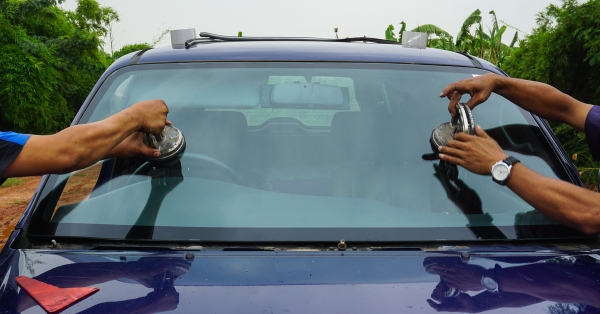
Optical quality matters too, because vision drives reaction time. Subtle waviness or prism effects can distort depth perception, especially around the edges where drivers glance to change lanes. On vehicles with head-up displays, the wrong laminate can duplicate or blur the projected image. The clearer the optics, the truer the driver’s view-and the split-second decisions that follow.
Acoustic interlayers and UV/IR coatings come with many OEM windshields, and they’re not just comfort features. A quieter cabin reduces cognitive load, while UV and heat control help prevent sensor and adhesive overheating. That’s particularly important during long summer drives or when parking under intense sun. Better comfort isn’t just luxury; it supports focus and system reliability.
ADAS Calibration: Tiny Misalignments, Big Consequences for Safety
Advanced Driver Assistance Systems rely on cameras and radar that often peer through or sit against the windshield. If the glass curvature or camera bracket is off, even slightly, the system’s “view” can skew several feet at a distance. That can affect lane-keeping, forward collision warnings, and automatic emergency braking sensitivity. OEM-spec glass helps cameras sit exactly where algorithms expect them to be.
After any windshield replacement on ADAS-equipped vehicles, calibration is essential. Static and dynamic calibration routines teach the system where “straight ahead” truly is, compensating for minute installation variations. OEM-grade setups and procedures cut down on rework because the parts match known targets. Skipping calibration or using imprecise glass risks false alarms-or worse, missed alerts.
Because sun load, road crown, and vibration all influence how sensors behave over time, exact materials and brackets matter long after installation day. Tight tolerances keep camera drift in check, and consistent glass density reduces optical distortion. In everyday driving, that translates to steadier lane lines and more accurate distance readings. When safety tech is the co-pilot, precision isn’t optional-it’s essential.
OEM vs. Aftermarket: Key Safety Differences That Matter on the Road
The right replacement glass should look invisible to the eye and to the car’s safety systems. OEM glass is engineered so adhesives cure as designed, seals align, and sensors lock in on the first try. Aftermarket options can work well, but quality varies by manufacturer and batch. Comparing key specs helps spotlight the gaps that matter most for safety and daily drivability.
Here’s a snapshot of common differences reported by industry sources in 2024, focusing on tolerances, optics, and ADAS readiness. These figures are typical ranges, not absolutes, since brands and models vary. The takeaway is consistent: precision and repeatability trend higher with OEM-spec pieces. That consistency translates into fewer surprises during calibration and fewer post-install headaches. To see the differences more clearly, here is a table showing the most common OEM vs. aftermarket variations and their impact.
| Aspect | OEM Specification | Typical Aftermarket Range | Safety/Usability Impact (2024) |
|---|---|---|---|
| Glass thickness tolerance | ±0.3 mm | ±0.5-0.8 mm | Affects fitment, vibration, and optical stability for HUD/ADAS |
| Curvature accuracy | Exact-match to OE CAD | Near-match, small variance | Impacts camera aim and edge distortion at night |
| Camera bracket location | Factory jig placement | Universal or model-specific, looser jig | Influences calibration success and consistency |
| Optical clarity rating | OE-grade low-distortion laminate | Mixed clarity by supplier | Driver eyestrain and HUD ghosting risk |
| Acoustic interlayer | Included on trims that spec it | Optional/varies | Cabin noise, focus, and fatigue over long drives |
| UV/IR filtering | To OE thermal spec | Standard UV, variable IR | Sensor temperature stability and adhesive longevity |
| Calibration rework rate | Lower with proper procedures | Higher variability | Extra time, cost, and inconsistent ADAS performance |
Bottom line: tighter tolerances and matched brackets improve first-time calibration success and deliver clearer, quieter drives. Over thousands of miles, those small advantages add up to real safety and comfort. For drivers, that means fewer surprises and more confidence in the tech that watches the road. Choosing OEM-spec glass is a practical way to protect both the car’s structure and its sensors.
Real-World Factors in Phoenix: Heat, Highways, and Hard Truths
Desert heat, sun load, and sudden dust storms can test a windshield like few places do. Adhesives cure faster in high temperatures, and poor edge coverage can lead to early wind noise or leaks. Visibility matters even more when glare bounces off bright pavement for hours a day. That’s where OEM glass and precise installation pay dividends in day-to-day comfort and safety.
Phoenix drivers also face heavy freeway traffic and frequent chip risks from debris, which makes quick, correct service essential. Local specialists who handle ADAS calibration and precise fitment take a lot of guesswork out of the process. A well-regarded option windshield replacement phoenix offers mobile service, free quotes, and lifetime workmanship coverage, which suit busy schedules. Getting the right glass and calibration in one visit keeps the car’s safety features online without extra trips.
On hot days, thermal expansion can magnify small differences in curvature or bracket placement. Dust and micro-scratches from desert driving make optical quality even more noticeable at dawn and dusk. OEM-grade laminates and coatings help reduce glare while keeping sensor images crisp. In a climate this intense, precision parts aren’t overkill-they’re common sense.
How to Spot Quality: Seals, Sensors, and Standards That Don’t Lie
Start with the glass label: OEM or OE-equivalent markings signal that the piece follows the manufacturer’s specifications. Look for clean frit lines, consistent edge ceramic, and the correct tint for the trim level. The camera bracket should look like the original-no shims, no play, no improvisation. If anything appears improvised, that’s a red flag for future calibration and leak issues.
During installation, attention to primer timing, adhesive bead height, and setting blocks separates solid work from risky shortcuts. A proper urethane “footprint” ensures the glass bonds uniformly, which is critical for crash performance and quiet cabins. After curing, a careful sensor recalibration ties the whole job together. The quality checklist covers both the glass and the craftsmanship that puts it in place.
Quick checks drivers can use on delivery day:
- Edge-to-edge seal is even, with no gaps, ripples, or visible bubbles in the urethane.
- ADAS warning lights are off after calibration, and lane/forward alerts behave normally on a short drive.
- No mirror shake or unusual wind noise at highway speeds; HUD is sharp with no double image.
Budget, Insurance, and Long-Term Value: Paying for the Right Glass
Insurance often covers windshield replacement, and many policies specify OEM for newer models or vehicles with ADAS. Even when there’s an upcharge, OEM glass can be less expensive over time than redoing calibration or chasing leaks. Think of it like buying the right size part the first time, rather than adjusting everything else to make a near-fit work. True cost includes time, safety, and the risk of recurring fixes.
Some shops offer mobile service and lifetime workmanship warranties, which reduce downtime and anxiety. That matters in busy cities where a car is essential for work and family routines. When the warranty backs both the glass installation and the calibration, it’s easier to drive away confident. Lifetime coverage turns a one-day fix into lasting peace of mind.
Smart ways to align budget with safety:
- Confirm whether the policy covers OEM glass for the specific model and ADAS package.
- Ask about calibration equipment, training, and whether the service is done in-house or outsourced.
- Review the warranty in writing-what’s covered, for how long, and how claims are handled.
Wrapping Up: OEM Auto Glass and Your Car’s Safety, Simplified
OEM auto glass is more than a look-alike replacement; it’s a safety component designed to work with adhesives, airbags, and advanced sensors. From accurate camera aim to clearer night vision and quieter cabins, the benefits show up in every mile. In regions like Phoenix, where heat and highway miles push parts to their limits, choosing OEM-grade materials and proper calibration pays off fast. For anyone planning windshield replacement in Phoenix or anywhere else, insisting on OEM-spec glass is a simple step that safeguards modern safety tech and everyday confidence.