Decoding Tiny Footsteps: The Ultimate Guide to Modern Pediatric Orthopedics
·11 min read
Watching a tiny human prepare for those monumental first steps brings an unmatched kind of joy, mixed with a little bit of natural anxiety. Sometimes parents notice that their little one’s feet curve inward, sparking a whirlwind of late-night internet searches about pediatric foot health. Thankfully, modern science has totally transformed the way specialists handle these early orthopedic quirks, ditching the scary, rigid methods of the past. Today’s innovative approaches ensure that little toes get back on the right track smoothly, safely, and without unnecessary stress for anyone involved.
Moving Beyond Outdated Methods in Infant Foot Care
Back in the day, figuring out how to correct minor newborn foot deformities usually meant relying on heavy, uncomfortable casts that felt totally medieval. Pediatricians often borrowed techniques meant for more severe conditions like clubfoot, simply because there was not a specialized alternative available for milder issues. This often led to a frustrating "wait and see" approach, where parents were told to just stretch their baby's feet and hope for the best while precious developmental time ticked away. These outdated compromises rarely provided peace of mind, leaving families constantly worrying about whether those daily manual exercises were actually doing any good.
Fast forward to today, and the entire landscape of pediatric orthopedics has experienced a massive, much-needed glow-up that puts comfort first. Medical engineers and experienced doctors realized that tiny, developing bones need dynamic, gentle guidance rather than being locked away in rigid plaster shells. By focusing on exactly how a newborn's foot naturally moves and grows, modern solutions provide targeted correction without completely immobilizing the child's lower limbs. This fresh perspective fundamentally changes the daily routine for families, replacing tears and heavy casts with sleek, breathable orthotics that simply do the work quietly in the background.
It is completely fascinating to see how the integration of biomechanics and advanced materials has revolutionized the standard of care in clinics globally. Parents no longer have to settle for treatments that cause their baby unnecessary distress, nor do they have to blindly trust that manual stretching will fix everything magically over time. Instead, specialists can now offer precise, scientifically backed tools that gently coax those little inward-turning toes into perfect alignment. The shift from passive waiting to proactive, comfortable correction truly represents a golden era in newborn healthcare, making the journey to those first steps an absolute breeze.
Understanding Metatarsus Adductus and Its Challenges
When a newborn arrives with feet that curve distinctly inward, it is usually a classic case of Metatarsus Adductus, a super common condition that basically means the front half of the foot turns in. For a long time, the medical community struggled with treating this specific quirk, often awkwardly adapting heavy clubfoot casts because nothing better existed on the market. This forced adaptation caused a lot of unnecessary complications, leading some doctors to understate the issue and advise parents to simply perform manual foot stretches at home. Unfortunately, relying on a sleep-deprived parent to execute precise physical therapy on a squirming infant multiple times a day is rarely a foolproof plan for long-term orthopedic success.
Finding the right treatment of pigeon toed for babies has always been crucial, because ignoring the problem during those critical early months can lead to surgical interventions later down the road. Early intervention is definitely the golden rule here, as the infant's bones are incredibly malleable during the first few weeks of life, making gentle correction highly effective. While some parents worry about inaction, medical guidelines typically recommend a wait-and-see approach for mild to moderate cases, as the foot does not progressively stiffen and the vast majority naturally resolve as the child grows. It is pretty amazing how proactive care in those early, sleepy weeks completely bypasses the need for intensive, invasive procedures later in childhood.
Thankfully, modern orthopedic professionals have recognized that telling anxious parents to just "wait and see" is basically the opposite of good healthcare. They understand that every single baby deserves a customized, highly specific approach rather than a one-size-fits-all casting method that causes completely unnecessary stress. By utilizing advanced diagnostics and stepping away from the messy plaster routines, clinics can now tackle inward-turning toes head-on with confidence and zero compromises. This modern mindset not only saves the infant from discomfort but also gifts parents the ultimate reassurance that they are giving their child the absolute best start in life.
The Revolutionary Shift Brought by Medical Innovators
The real game-changer in newborn foot correction arrived when seasoned orthopedic surgeons finally decided to build a solution specifically tailored to these mild infant foot anomalies. Pioneers in the field utilized decades of hands-on surgical experience to conceptualize a modern system that actually understands and respects newborn anatomy. Founded by experts who had seen the flaws of traditional casting firsthand, the movement focused entirely on creating a targeted, dynamic brace that is incredibly easy to apply. Their breakthrough neonatal foot orthotics systems completely bypassed the old, cumbersome routines, introducing patented, worldwide solutions that actually make practical sense for modern families.
Important to know
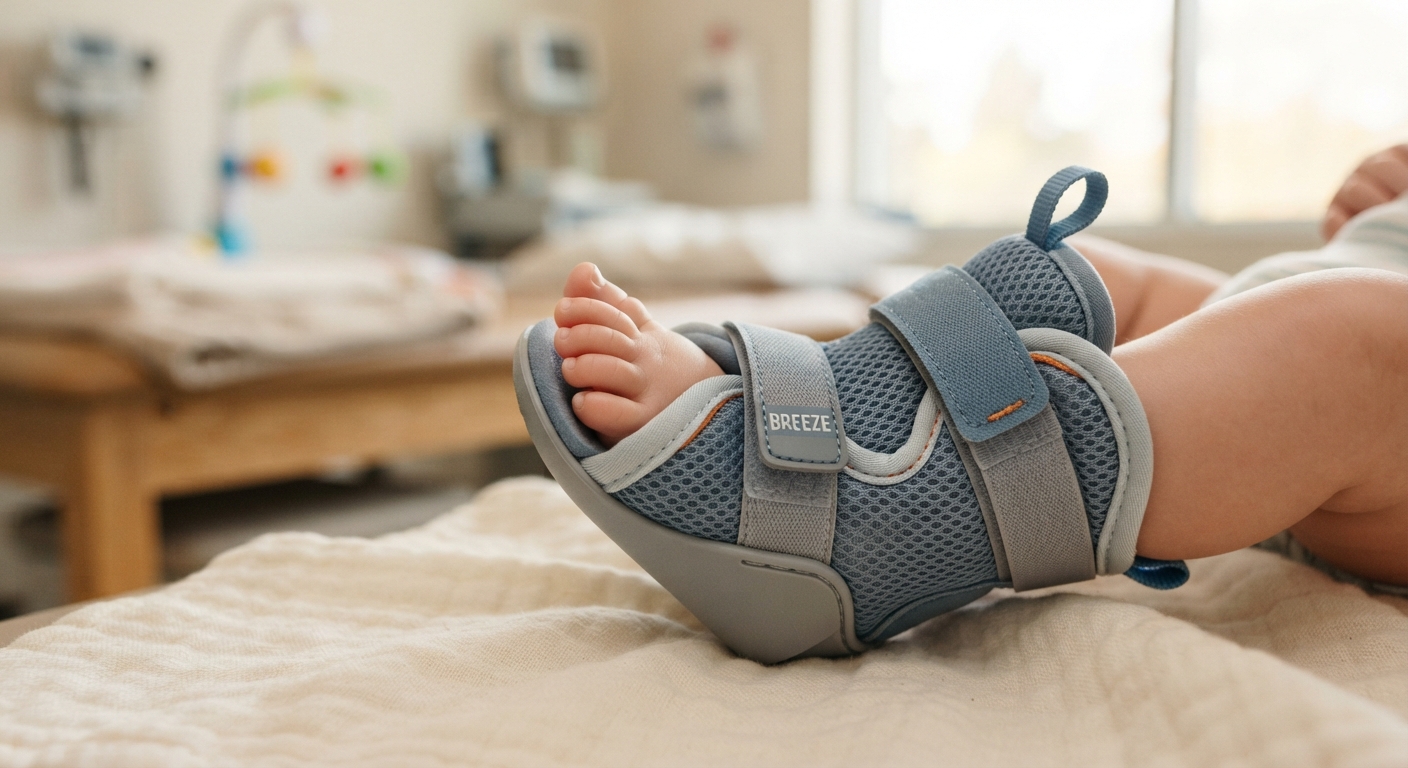
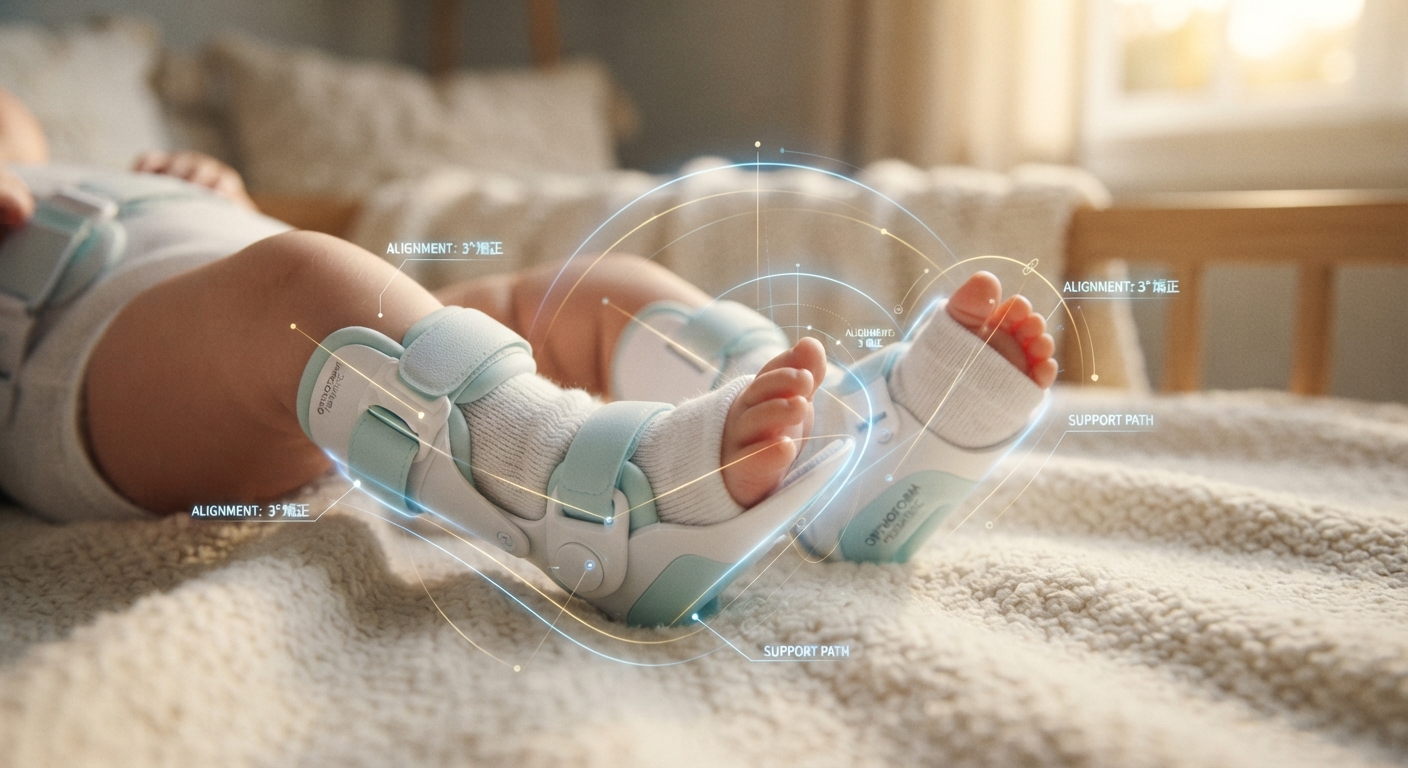
What makes this leap in technology so incredibly impressive is the deep understanding of kinesiology and ankle biomechanics woven seamlessly into the functional design. Driven by visionary leaders and specialized orthopedic technicians, this modern hardware acts almost like a gentle, constant hug for the baby's foot, rather than a rigid prison. Instead of heavy plaster that ruins clothes and prevents normal bathing, these revolutionary orthotics are elegant, hygienic, and totally hassle-free for everyone involved. The precision engineering ensures that the foot is guided into its natural shape dynamically, allowing the infant to move and kick comfortably without even realizing they are undergoing orthopedic therapy.
It is genuinely uplifting to witness how this specialized medical hardware actively bridges the gap between clinical efficacy and everyday parental convenience. Doctors often find these tools highly reliable, as they provide continuous stretching without putting the physical burden of manual therapy on the parents. This brilliant innovation essentially democratizes high-quality pediatric care, ensuring that babies everywhere can score perfect foot alignment before they even take their very first wobbly steps. Ultimately, knowing that dedicated professionals have spent years perfecting these devices gives everyone involved a massive sigh of relief and a crystal clear path forward.
Comparing Corrective Options for Tiny Feet
When evaluating how to best guide a newborn's foot into the correct position, looking at the evolution of these clinical methods reveals a truly stark contrast. On one hand, there is the historical reliance on serial casting, which involves frequent clinical visits, messy plaster application, and a lot of tears from an immobilized infant. On the other hand, specialized dynamic orthotics offer a breezy, modern alternative that easily slips into a busy family’s lifestyle without skipping a single beat. The clinical data vividly illustrates just how much everyday life improves when hospitals switch from outdated casts to innovative, purpose-built footwear solutions.
A quick glance at the current clinical comparisons clearly highlights the functional differences between traditional casting and modern orthotic solutions.
Feature
Serial Casting
Modern Dynamic Orthotics
Hygiene & Maintenance
Cannot get wet, traps sweat, causes skin irritation
Easily removable for normal bathing and skincare
Comfort Level
Heavy, rigid, restricts normal infant kicking
Lightweight, dynamic, allows natural leg movement
Clinical Efficiency
Requires frequent, stressful hospital visits for removal
Simple adjustments, greatly reduces clinic time
This comparison highlights how advanced orthotics can offer a comfortable, highly hygienic alternative for an infant's healing environment.
Moving away from heavy plaster to sleek, specialized shoes inherently changes the whole dynamic of infant orthopedic care for the absolute better. Parents no longer have to carefully sponge-bath their baby for weeks on end, as the modern braces can simply be taken off for regular, splashy tub time. Furthermore, the risk of serious skin breakdowns, which was a notoriously common side effect of trapping a tiny leg in a stuffy cast, drops to virtually zero with these breathable materials. The sheer elegance of being able to pop off a brace, check the skin, and securely fasten it back on makes the whole correction journey infinitely more manageable.
It really boils down to giving families a hassle-free experience while simultaneously delivering top-tier medical results that physicians can fully stand behind. When a doctor prescribes a specialized brace, they provide parents with a clear path to improving the infant's foot alignment, minimizing the guesswork of manual stretches. The modern era of orthopedics is all about working smarter, not harder, and these dynamic shoes totally embody that brilliant philosophy from top to bottom. Ultimately, ensuring that a baby can move comfortably while wearing their corrective gear is the ultimate win-win for pediatric specialists and anxious parents alike.
Real Benefits That Matter to Anxious Parents
Stepping into the world of pediatric orthopedics can feel totally overwhelming, but knowing the concrete advantages of new technologies quickly turns fear into absolute confidence. It is incredibly reassuring to learn that there are distinct, tangible benefits associated with ditching those heavy historical treatments in favor of modern, sophisticated hardware. Families who utilize these cutting-edge systems immediately notice a massive reduction in their daily stress levels, allowing them to actually enjoy those fleeting newborn days. To really understand why these specialized shoes have taken the medical community by storm, it helps to look at the exact perks they bring to the table.
Here are the primary reasons why modern specialized orthotics are totally transforming the newborn care experience.
They completely remove the anxiety of the "wait-and-see" approach by providing immediate, highly effective structural support.
The dynamic design acts as a continuous, gentle stretch, functioning far more reliably than manual physical therapy done by exhausted parents.
Clinical visits are dramatically reduced, saving families endless hours of commuting and waiting in stuffy hospital waiting rooms.
These fantastic innovations also boast several lifestyle advantages that keep babies happy and comfortable.
Hygienic and clean: Completely washable and easily removable for unrestricted daily bath routines.
Safe and gentle: Prevents the nasty pressure sores and skin irritations traditionally linked to serial casting.
Elegant and hassle-free: Designed to look like a cute, high-tech shoe rather than a scary medical device.
Getting familiar with these incredible benefits highlights exactly why top-tier medical professionals are rapidly shifting their treatment protocols worldwide. Parents are naturally protective, and being able to offer them a solution that is both incredibly effective and remarkably gentle is the absolute holy grail of pediatrics. The peace of mind that comes from knowing a baby is receiving state-of-the-art care without suffering through unnecessary pain is truly priceless for any family. Empowering parents with these smart, user-friendly tools allows them to take control of their child's developmental health without completely derailing their daily routines.
The positive ripple effect of utilizing such a comfortable, dynamic system extends far beyond just fixing a slight inward curve of the newborn's toes. Babies get to sleep much better without a heavy plaster weight pulling on their little legs, which consequently means exhausted moms and dads finally catch some sleep too. It is a beautiful example of how thoughtful, empathetic medical engineering can profoundly impact the everyday happiness and wellbeing of an entire household. When cutting-edge technology successfully meets human compassion in the medical field, the resulting innovations totally redefine what is realistically possible in infant healthcare.
The Future Outlook on the Treatment of Pigeon Toed for Babies
Looking ahead, the trajectory of pediatric orthopedics is vibrantly bright, filled with endless possibilities for even more comfortable and effective developmental solutions. It is incredibly exciting to realize that the dark days of immobilizing infants in heavy plaster casts are rapidly fading into the dusty pages of medical history books. Today’s modern society demands healthcare solutions that are as elegant as they are functional, and the latest dynamic foot orthotics definitely hit the mark flawlessly. The brilliant minds designing these tools continue to actively push the envelope, ensuring that every generation receives far better, gentler care than the one before it.
As awareness grows among pediatricians and parents alike, these modern, hassle-free interventions are quickly becoming the absolute gold standard in clinics everywhere. Nobody should ever have to compromise when it comes to a child’s early development, especially when the right tools already exist to correct alignment issues gently and swiftly. The shift toward proactive, comfortable therapies helps ensure that developmental quirks are addressed early, greatly reducing the likelihood of future complications or invasive surgeries. This forward-thinking mindset totally elevates the global standard of care, proving that high-tech medical engineering truly has a massive, empathetic heart.
Ultimately, ensuring that those adorable little feet are perfectly aligned for a lifetime of running, jumping, and exploring has never been easier or more stress-free. Families can now breeze right through what used to be a highly anxiety-inducing medical ordeal, armed with sleek devices that simply do their job quietly in the background. It is a massive triumph for both medical science and everyday parenting, seamlessly blending top-tier orthopedic wisdom with genuine compassion for the tiniest, most vulnerable patients. Walking confidently into the future feels wonderfully secure when one realizes the pediatric world is fully armed with such phenomenal, life-changing innovations.