It is completely normal to feel a sudden wave of panic when watching a baby take their first wobbly steps and noticing their little feet point inward. Many parents immediately start wondering if those adorable tiny toes are going to cause a lifetime of stumbling, tripping, and complex orthopedic interventions. The reality is that this common developmental quirk happens all the time, and understanding what is actually going on down there is the first step to breathing a huge sigh of relief. Learning a little about early childhood foot mechanics can help ease unnecessary worry and make parents feel more confident.
Decoding the Mystery of Turned-In Toes
Understanding the mechanics behind inward-pointing feet requires looking past the surface and diving into the fascinating way infant bones develop in the womb. Sometimes referred to as metatarsus adductus or simply having a pigeon-toed stance, this condition often results from the cramped quarters a growing baby experiences during those final months of pregnancy. The flexible bones of the foot naturally adapt to the tight space, causing a gentle curvature that remains quite noticeable once the child starts bearing weight on their legs. Knowing that this physical adaptation is a natural response to prenatal crowding helps demystify the entire situation for anxious caregivers.
While some families automatically assume that every unusual foot angle requires an immediate medical intervention, human anatomy is incredibly resilient and frequently corrects its own minor misalignments over time. It is absolutely fascinating to observe how a toddler’s body naturally adjusts its biomechanics as they gain muscle strength, improve their overall balance, and spend more hours walking around on various surfaces. That being said, parents should definitely keep a watchful eye on how the foot shape evolves during those crucial months of rapid growth and motor skill acquisition. Staying observant rather than becoming obsessed allows for a healthy balance of routine care and natural developmental progression.
Identifying the exact root cause of the inward rotation can sometimes trace back to the hips or the lower leg bones, rather than just the structural makeup of the foot itself. Depending on whether the structural twist originates from the femur or the tibia, the timeline for natural correction and the visible signs during walking will differ significantly from case to case. Healthcare professionals usually evaluate the child's entire lower extremity alignment to determine exactly where the twist is happening before ever suggesting any sort of specialized intervention. Understanding the specific origin point of the rotation ensures that any future decisions regarding corrective measures are based on highly accurate biomechanical insights.
Spotting the Early Signs Without Spiraling
Noticing the subtle indicators of inward-pointing feet usually happens long before a child begins running around the playground, often starting right during infant diaper changes when the natural resting curve of the foot is clearly visible. When examining a baby’s sole, a distinct bean-like shape or a noticeable crease along the inner arch can be the very first clue that the front half of the foot is angling inward. Parents might also casually observe that the child’s early shoes wear down unevenly, or that they frequently trip over their own feet when transitioning from a crawling phase to independent walking. Recognizing these physical cues early on allows caregivers to track any changes systematically without jumping to worst-case scenarios about permanent mobility issues.
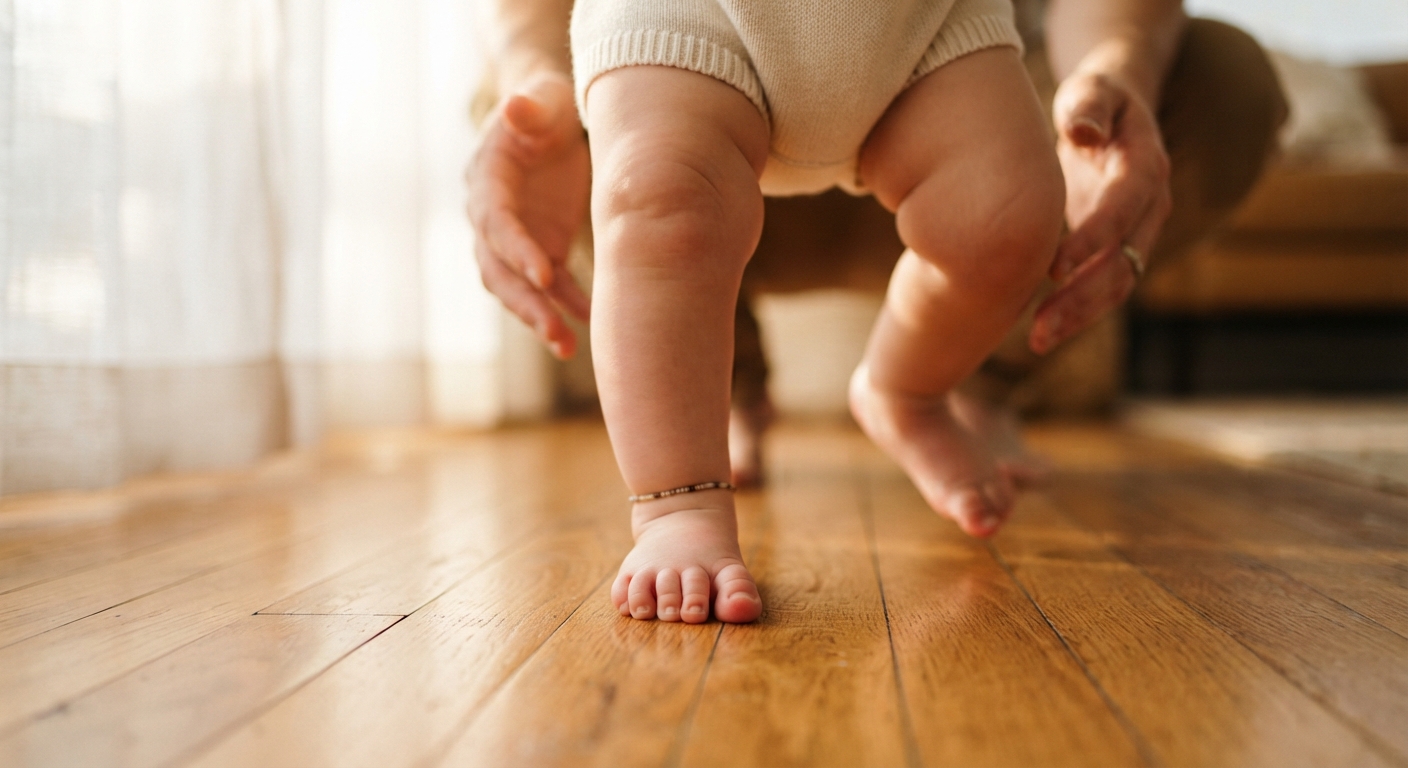
Gathering useful information about these developmental milestones involves paying close attention to specific behaviors and physical markers as the child navigates their home environment. Even if a child seems completely unbothered, noting how their feet land when they are tired versus when they are fully energized can provide amazing context for pediatricians. Here are a few recognizable signs that indicate a closer look at a toddler's foot alignment might be beneficial:
- Frequent tripping or clumsiness that seems disproportionate to their current stage of walking development.
- A visible curvature on the outer edge of the foot that creates a distinct half-moon appearance.
- Difficulty finding infant shoes that fit properly due to the inward curvature of the child's toe area.
- Complaints of general leg fatigue or discomfort during extended periods of physical activity at the park.
Pro Tip: Documenting the Movement
Sometimes the rotation becomes significantly more pronounced when the child is fatigued or running at high speeds across the backyard grass. It is incredibly common for the inward angle to seemingly disappear when the toddler is standing completely still, only to return with a vengeance the moment they start sprinting toward a favorite toy. This dynamic presentation can be rather confusing for families who might wonder why the condition seems to fluctuate in severity from one hour to the very next. Keeping a simple video diary of the child walking in different environments can be an absolute game-changer when discussing the situation with a specialist later on.

Breaking Down the Developmental Timeline
Knowing exactly what to expect as a child grows can completely transform an overwhelming experience into a highly manageable, entirely predictable parenting journey. Most infants who exhibit curved feet at birth will naturally outgrow the condition as they stretch their legs, kick in their cribs, and eventually begin putting solid weight on their lower extremities. However, there is a distinct timeline that pediatric specialists follow to determine whether the foot is straightening out as expected or if it might need a gentle nudge in the right direction. Grasping this timeline gives parents the ultimate confidence to know when patience is the best policy and when proactive medical steps are truly warranted.
The following breakdown illustrates the typical progression of foot alignment corrections based on a child's age group.
| Age Group | Typical Foot Development Phase | Recommended Action |
|---|---|---|
| 0 - 6 Months | Natural alignment correction begins as the infant stretches out from the fetal position. | Monitor foot flexibility and casually consult a pediatrician during routine wellness checks. |
| 6 - 12 Months | Transitioning to pulling up on furniture, cruising, and early standing behaviors. | Evaluate for dynamic bracing interventions if the inward curve remains overly stiff or rigid. |
| 12 - 24 Months | Independent walking, running, and complex environmental navigation. | Seek advanced orthotic treatment if the inward pointing persists and impacts daily mobility. |
While families often track these milestones, medical guidelines actually advise against braces for toddler in-toeing, noting that corrective treatments for severe cases are instead initiated before nine months of age.
Following the progression detailed above, the critical window for evaluating whether a curvature will resolve independently usually lands squarely within the first few months of life. If the foot remains physically stiff and lacks the basic flexibility to be gently straightened by hand, specialists often view this as a clear signal that a bit of external assistance might be highly beneficial. It is widely acknowledged that identifying rigid cases early prevents far more complicated, stressful interventions from becoming necessary down the road. The ability to accurately distinguish between a flexible curve that will likely fix itself and a rigid curve that needs immediate attention is a primary reason why regular medical check-ups are so absolutely essential.
The fascinating aspect of modern pediatric orthopedics is how rapidly a baby's musculoskeletal system responds to the right supportive environment during those initial massive growth spurts. When external support is gracefully introduced at the optimal moment, the flexible cartilage easily adapts, gradually remodeling itself into the correct anatomical position without causing the infant any distress whatsoever. Delaying a proper evaluation under the misguided assumption that everything will magically fix itself can sometimes lead to entirely missed opportunities for these incredibly simple, non-invasive early corrections. A proactive mindset, perfectly combined with a deep understanding of natural growth patterns, ensures that every child receives exactly what they need for optimal future mobility.
Why Outdated Treatments Are Getting Left Behind
For many decades, the standard approach to addressing stubborn foot curvatures involved serial casting, a cumbersome process that essentially immobilized the infant's leg in heavy, restrictive plaster. While this specific method was widely used, it frequently caused immense frustration for families dealing with hygiene issues, obvious infant discomfort, and the sheer logistical nightmare of frequent clinical cast changes. Today, modern medical innovation has recognized that effectively treating conditions like in-toeing in toddlers requires a much more dynamic, highly parent-friendly approach that deeply respects the child's need for everyday comfort. Upgraded orthotic solutions have effectively rendered those old-school, rigid plaster casts completely obsolete in many forward-thinking clinical practices around the globe.
While serial plaster casting remains the standard of care for severe cases, innovations pioneered by orthopedic surgeons, such as Dr. Izak Daizade, have introduced alternative ways to manage these pediatric foot issues. By focusing heavily on creating dynamic bracing systems rather than static holds, the medical community has successfully shifted toward treatments that are incredibly effective yet remarkably gentle on the developing baby. These modern devices slip on almost like a specialized athletic shoe, placing the necessary corrective pressure on the foot without ever locking the entire leg into an immovable, frustrating position. These newer devices allow parents to participate in the care routine and offer a different approach compared to traditional plaster casting.
Shifting away from archaic wait-and-see attitudes or severe casting procedures brings a glorious multitude of practical benefits to modern families actively navigating pediatric healthcare. Exploring these cutting-edge alternatives often provides caregivers with a massive sense of relief, knowing their child won't have to suffer through an agonizing corrective phase. There are several compelling reasons why specialized, modern orthotic systems are rapidly becoming the absolute gold standard for infant foot correction:
- They provide a highly hygienic alternative, easily allowing parents to completely remove the device for daily baths and routine, necessary skin care.
- The dynamic design significantly minimizes physical stress on the baby, ensuring they can still kick, play freely, and sleep comfortably throughout the entire treatment.
- They drastically reduce the likelihood of ever needing highly invasive surgical interventions by addressing the curvature early, safely, and effectively.
Making Moves Toward the Best Solutions for Your Toddler's In-Toeing
Navigating the early stages of childhood development is an incredibly complex journey filled with fascinating physical milestones and the occasional minor bump in the road. Discovering that a child has a slight inward twist to their step is simply a gentle call to gather excellent information, observe their unique mobility patterns, and connect with knowledgeable professionals who truly understand modern biomechanics. There is immense peace of mind in knowing that today’s medical landscape offers highly advanced, incredibly comfortable options designed specifically to elegantly guide those tiny feet straight. Having the right information makes it much easier to manage a child's foot development without the added stress.
Parents now have more options rather than just waiting to see if a severe curve will resolve on its own. Parents now have wonderful access to beautifully engineered solutions that prioritize the child's daily happiness and overall comfort just as much as the required anatomical correction. By staying highly vigilant during those crucial early months and actively seeking out dynamic treatment options, caregivers can effectively protect their child's future mobility without ever sacrificing their current quality of life. It is truly remarkable how a surprisingly small, well-timed intervention can effortlessly pave the way for a lifetime of confident, pain-free running, jumping, and joyful exploring.
As parents look for better healthcare solutions for their children, innovations in pediatric foot care continue to develop. Celebrating these massive medical advancements means fully recognizing that every single child inherently deserves the best possible chance to step out into the world with a strong, balanced, and perfectly aligned foundation. Whether it involves simply tracking the natural unwinding of a very mild curve or actively utilizing a revolutionary bracing shoe to assist the process, the path forward is brightly illuminated by brilliant science and deeply compassionate care. Embracing this highly proactive, wonderfully informed approach guarantees that those precious first steps are just the beautiful beginning of an incredibly vibrant, wildly active life.